The Science Behind Your Gaming Brainpower
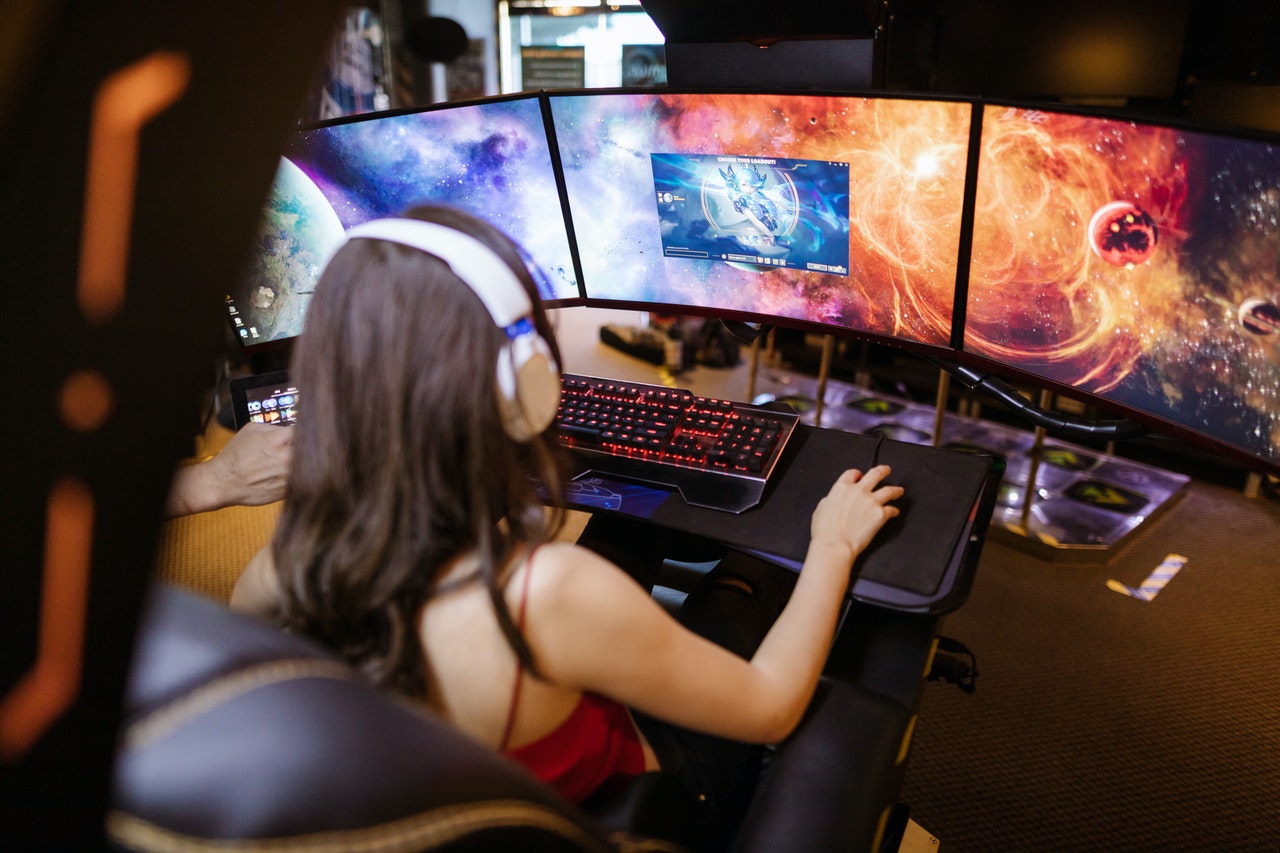
The world of slot isn’t just about entertainment and fun; it’s also a powerful workout for the brain. As gamers immerse themselves in complex digital worlds, their brains are engaging in a variety of cognitive tasks. From memory and attention to problem-solving and spatial reasoning, gaming has been shown to activate different areas of the brain, improving various mental skills. But what exactly happens in your brain while you’re gaming, and how does it enhance your cognitive abilities? Let’s take a closer look at the science behind gaming brainpower.
Contents
Cognitive Benefits of Gaming
Online and offline games—whether action-packed shooters, puzzle-solving adventures, or strategy simulations—are more than just mindless activities. They involve active problem-solving, strategic thinking, and decision-making, all of which engage the brain in ways that boost mental acuity.
Enhanced Memory
Gaming requires players to remember different elements, whether it’s navigating a complicated level, recalling the strengths and weaknesses of different enemies, or learning new game mechanics. Research has shown that action games, in particular, can significantly improve memory. Gamers need to memorize complex patterns, paths, and strategies, which enhances both working memory and long-term memory.
For example, role-playing games (RPGs) like The Elder Scrolls series or Final Fantasy require players to remember long lists of items, quests, and locations, which challenges and improves memory retention. The act of constantly recalling and utilizing this information strengthens memory networks in the brain, leading to better cognitive function outside of gaming as well.
Attention and Focus
One of the most well-documented cognitive benefits of gaming is an increase in attention and focus. Action and adventure games, especially those that require players to pay close attention to their surroundings, improve selective attention—the ability to focus on specific details while ignoring irrelevant information.
Games like Fortnite or Call of Duty require intense focus on enemy movements, objectives, and environmental cues. The more often the brain practices focusing on multiple tasks at once, the better it becomes at filtering out distractions and staying engaged. This improved attention span can translate into better performance in everyday activities, such as work or studying, where focus and concentration are key.
Problem Solving and Critical Thinking
Many games involve intricate puzzles or require players to strategize in order to progress. Whether it’s solving riddles in an adventure game or planning the next move in a complex strategy game, these tasks stimulate the brain and improve critical thinking skills.
Strategic Decision-Making
Games that involve real-time decisions or turn-based strategy challenge players to think critically about every action they take. This process of planning, predicting outcomes, and adapting to changing conditions sharpens the brain’s executive function—mental skills that are used for reasoning, problem-solving, and decision-making.
In games like StarCraft or Chess, players are constantly analyzing different scenarios, anticipating their opponent’s moves, and strategizing accordingly. These games require mental flexibility, as players need to pivot their plans based on new information, further honing their ability to make fast, yet well-reasoned decisions under pressure.
Risk Assessment
Many games involve a balance of risk and reward, which trains players to evaluate the potential consequences of their actions. Whether it’s deciding when to attack in League of Legends or choosing the right moment to make a move in Poker, players learn to assess risks and make decisions that will maximize their success.
The ability to assess risks quickly and accurately is a skill that benefits players outside of gaming, whether in their personal life or professional endeavors. The brain becomes adept at evaluating probabilities and outcomes, leading to smarter decision-making in real-life situations.
Visual and Spatial Skills
Gaming often involves navigating complex, three-dimensional worlds, which can dramatically enhance spatial awareness and visual skills. Games that require players to interact with their environment or use visual cues to solve puzzles stimulate areas of the brain responsible for processing spatial information.
Improved Spatial Awareness
Games like Minecraft and The Legend of Zelda involve exploring intricate 3D environments, which enhances spatial awareness—the ability to understand and remember the positions of objects in relation to oneself. Players constantly navigate mazes, plan their movements, and solve puzzles based on their understanding of the virtual world’s layout. This type of gameplay enhances the brain’s spatial processing capabilities, improving real-world navigation and the ability to conceptualize spaces.
Spatial reasoning is important for a wide variety of tasks in daily life, from reading maps to understanding diagrams. The mental workout that gaming provides helps develop the neural pathways involved in visual-spatial skills, which can translate to improved performance in activities like driving or interpreting complex visual information.
Reaction Time and Hand-Eye Coordination
Many bandot 88 , particularly those in the action or shooter genre, require fast reflexes and precise hand-eye coordination. Whether it’s dodging an attack in Overwatch or reacting quickly in Call of Duty, the brain and body are working together to execute split-second decisions. Studies have shown that playing fast-paced games can enhance reaction times and improve motor skills.
In real-world scenarios, this means gamers may have quicker reflexes when it comes to tasks like driving or even using technology. The ability to respond quickly and effectively to stimuli, which is honed through gaming, is an invaluable skill in today’s fast-moving world.
Social and Emotional Benefits
In addition to cognitive improvements, gaming offers a wide range of social and emotional benefits. Online multiplayer games, in particular, provide opportunities for social interaction and teamwork, which can help improve communication skills, empathy, and emotional regulation.
Building Teamwork and Communication
Multiplayer games like Fortnite, World of Warcraft, and Apex Legends require cooperation among players to succeed. This fosters teamwork, communication, and leadership skills, as players must coordinate with others in real-time to complete objectives and overcome challenges.
The emphasis on team dynamics helps players learn to communicate effectively, delegate responsibilities, and listen to others. These social skills are invaluable in everyday life, especially in the workplace or group settings, where collaboration and communication are essential for success.
Coping with Stress
Games also provide an emotional escape, allowing players to momentarily distance themselves from the stresses of daily life. Many gamers report feeling relaxed or rejuvenated after gaming sessions, as they become absorbed in virtual worlds that help them unwind.
Furthermore, online gaming communities provide social support, where players can connect with others who share similar interests. Whether it’s discussing game mechanics or talking about life outside of gaming, these interactions foster emotional bonds that offer comfort and reduce feelings of isolation.
Gaming and Mental Health
The cognitive and social benefits of gaming are not just theoretical—they have been validated by research in the mental health field. Studies suggest that gaming can be used as a tool for mental wellness, particularly when it comes to coping with anxiety, depression, and stress.
Therapeutic Gaming
Certain types of games, particularly puzzle-based or casual games, are being used in therapeutic settings to help patients manage mental health conditions. Games like Tetris have been shown to reduce intrusive thoughts in individuals with post-traumatic stress disorder (PTSD). Similarly, games with relaxing themes, such as Stardew Valley or Journey, help players reduce anxiety by encouraging mindfulness and positive emotional experiences.
Gamers who use gaming as a stress-management tool often report feeling a sense of control and empowerment in virtual worlds, which can translate to improved mood and better coping mechanisms in the real world.
Conclusion: Gaming’s Cognitive Edge
Online gaming offers more than just entertainment—it’s a powerful tool for brain development. From enhancing memory and attention to improving spatial awareness and reaction time, the cognitive benefits of gaming are far-reaching. Moreover, online games foster social connections, promote teamwork, and even support mental health, making gaming a multifaceted activity that benefits the brain in a variety of ways.
As gaming continues to evolve, the science behind its impact on the brain will only become clearer. Whether you’re playing for fun or engaging in competitive gameplay, the mental benefits of gaming are undeniable. With its ability to challenge the brain, promote social interaction, and offer emotional relief, gaming is not just a hobby; it’s a powerful tool for cognitive development and mental well-being.


