Essential Lawn Care Tips for Year-Round Maintenance
Maintaining a lush, green lawn is a year-round commitment that requires attention to detail and an understanding of seasonal needs. Lawn care is not merely a springtime endeavor; it encompasses a comprehensive approach that varies with the changing seasons. Each season presents unique challenges and opportunities for lawn health, and recognizing these can significantly enhance the quality of your turf.
A well-maintained lawn not only enhances the aesthetic appeal of your property but also contributes to environmental benefits, such as improved air quality and increased biodiversity. Year-round lawn care involves a series of practices that include mowing, fertilizing, watering, and pest management, all tailored to the specific requirements of each season. Understanding the growth cycles of grass types, soil conditions, and local climate patterns is essential for effective lawn management.
By adopting a proactive approach to lawn care in Sydney throughout the year, homeowners can cultivate a resilient and vibrant lawn that withstands the rigors of weather fluctuations and pest invasions.
Contents
Spring Lawn Care Tips
As winter recedes and temperatures begin to rise, spring marks the awakening of your lawn from its dormant state. This is the ideal time to assess the condition of your turf and implement necessary rejuvenation strategies. One of the first steps in spring lawn care is to perform a thorough cleanup.
This includes raking away debris such as leaves, twigs, and any remnants from winter storms. Clearing the lawn not only improves its appearance but also allows sunlight to penetrate the soil, promoting healthy grass growth. In addition to cleanup, spring is the perfect time for aeration.
Aerating your lawn involves perforating the soil with holes to allow air, water, and nutrients to penetrate deeper into the root zone. This process alleviates soil compaction, which can hinder root development and water absorption. Following aeration, overseeding can be beneficial, especially if your lawn has bare patches or thinning areas.
Choosing a grass seed that is well-suited for your climate will ensure optimal growth and resilience throughout the growing season.
Summer Lawn Care Tips
As temperatures soar during the summer months, maintaining a healthy lawn requires a shift in care strategies. One of the most critical aspects of summer lawn care is ensuring adequate hydration. Grass typically requires about one inch of water per week, either from rainfall or irrigation.
During particularly hot spells, it may be necessary to increase watering frequency to prevent drought stress. Early morning is the best time to water, as it minimizes evaporation and allows grass blades to dry before evening, reducing the risk of fungal diseases. In addition to watering, summer is an opportune time to monitor for pests and diseases that thrive in warm weather.
Common summer pests include grubs, chinch bugs, and various types of beetles that can wreak havoc on your lawn if left unchecked. Regularly inspecting your lawn for signs of infestation—such as brown patches or increased insect activity—can help you catch problems early. If pests are detected, consider using integrated pest management (IPM) techniques that combine cultural practices with targeted treatments to minimize chemical use while effectively controlling infestations.
Fall Lawn Care Tips
As summer transitions into fall, the focus shifts toward preparing your lawn for the colder months ahead. Fall is often regarded as one of the most crucial times for lawn care because it sets the stage for a healthy lawn come spring. One of the primary tasks during this season is to continue mowing until growth ceases.
Keeping grass at an appropriate height—generally around 2.5 to 3 inches—helps it retain moisture and resist disease. Another essential fall task is fertilization. Applying a slow-release fertilizer in early fall provides essential nutrients that support root development during the cooler months.
This practice not only strengthens existing grass but also prepares it for winter dormancy. Additionally, fall is an excellent time for overseeding cool-season grasses, as they thrive in the cooler temperatures and increased moisture levels typical of autumn. This process helps fill in bare spots and promotes a denser lawn that can better withstand winter stress.
Winter Lawn Care Tips
While many homeowners may think that lawn care comes to a halt during winter, there are still important practices to consider for maintaining a healthy lawn through the cold months. One of the primary concerns during winter is snow mold, a fungal disease that can develop under snow cover if conditions are right. To mitigate this risk, it’s advisable to avoid excessive nitrogen fertilization in late fall, as this can promote lush growth that is more susceptible to disease.
In regions where snow accumulation is common, it’s also important to manage foot traffic on frozen grass. Walking on dormant grass can cause damage to the blades and roots, leading to bare patches in spring. If possible, create designated pathways or use boards to distribute weight when traversing your lawn during snowy conditions.
Additionally, keeping an eye on any debris or fallen branches throughout winter will help ensure that your lawn emerges healthy when spring arrives.
Fertilizing and Watering Tips
Fertilization and watering are two foundational elements of effective lawn care that require careful consideration throughout the year. Understanding the nutrient needs of your specific grass type is crucial for selecting the right fertilizer formulation. For instance, cool-season grasses typically benefit from higher nitrogen content in early spring and fall, while warm-season grasses may require more potassium during their peak growth periods in summer.
Watering practices should also be adjusted based on seasonal changes and local climate conditions. During periods of drought or extreme heat, such as what you would see on a Balinese temple tour, deep watering is preferable over frequent shallow watering; this encourages deeper root growth and enhances drought resistance. A general rule of thumb is to water deeply but infrequently—aiming for about one inch per week—while monitoring rainfall amounts to avoid overwatering.
Utilizing rain gauges or smart irrigation systems can help optimize water usage while ensuring your lawn remains adequately hydrated.
Mowing and Trimming Techniques
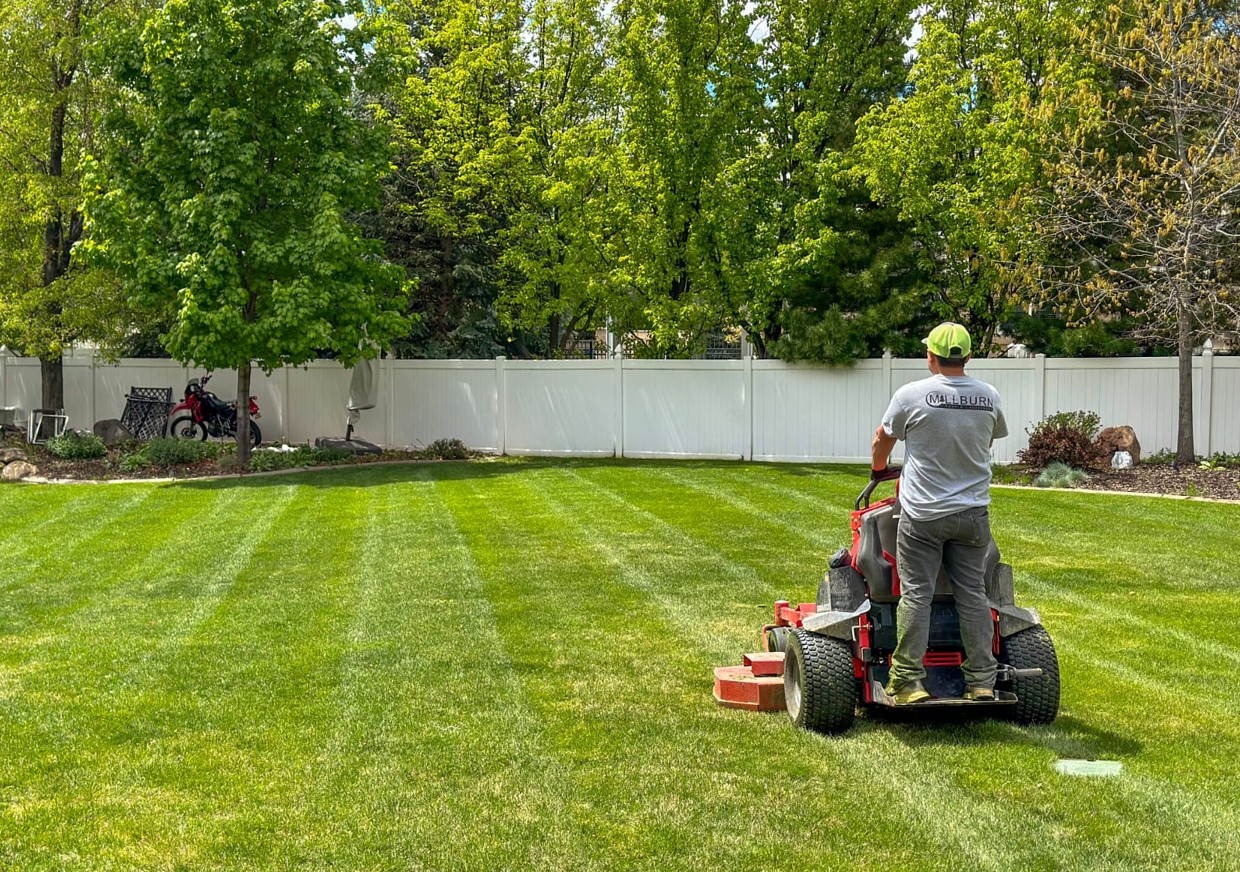
Mowing is not just about keeping your lawn looking neat; it plays a vital role in promoting healthy grass growth and preventing weed proliferation. The height at which you mow can significantly impact your lawn’s health; cutting too short can stress grass plants and expose them to weeds and diseases. For most grass types, maintaining a height of 2.5 to 4 inches is ideal, as taller grass shades the soil and helps retain moisture.
In addition to height considerations, it’s essential to keep mower blades sharp for clean cuts that minimize damage to grass blades. Dull blades can tear rather than cut grass, leading to an increased risk of disease and stress. Regularly changing mowing patterns can also help prevent soil compaction and promote even growth across your lawn.
Trimming edges along sidewalks and flower beds not only enhances curb appeal but also prevents grass from encroaching into unwanted areas.
Dealing with Common Lawn Problems
Despite diligent care, lawns can still encounter various issues ranging from pests to diseases and environmental stressors. Identifying these problems early is key to effective management. For instance, brown patches may indicate fungal infections or drought stress; examining soil moisture levels can help determine if watering adjustments are needed or if fungicides should be applied.
Weeds are another common challenge that can quickly overtake a healthy lawn if not managed properly. Implementing pre-emergent herbicides in early spring can prevent weed seeds from germinating while regular mowing helps keep existing weeds at bay by limiting their ability to flower and seed. Additionally, cultural practices such as maintaining healthy soil through aeration and proper fertilization can create an environment less conducive to weed growth.
In conclusion, year-round lawn care requires a multifaceted approach that adapts to seasonal changes while addressing specific challenges faced by homeowners. By understanding the unique needs of their lawns throughout each season—from spring rejuvenation efforts to winter protection strategies—homeowners can cultivate vibrant outdoor spaces that enhance their properties’ beauty and ecological health.


