Creating a Peaceful Baby Sleep Space
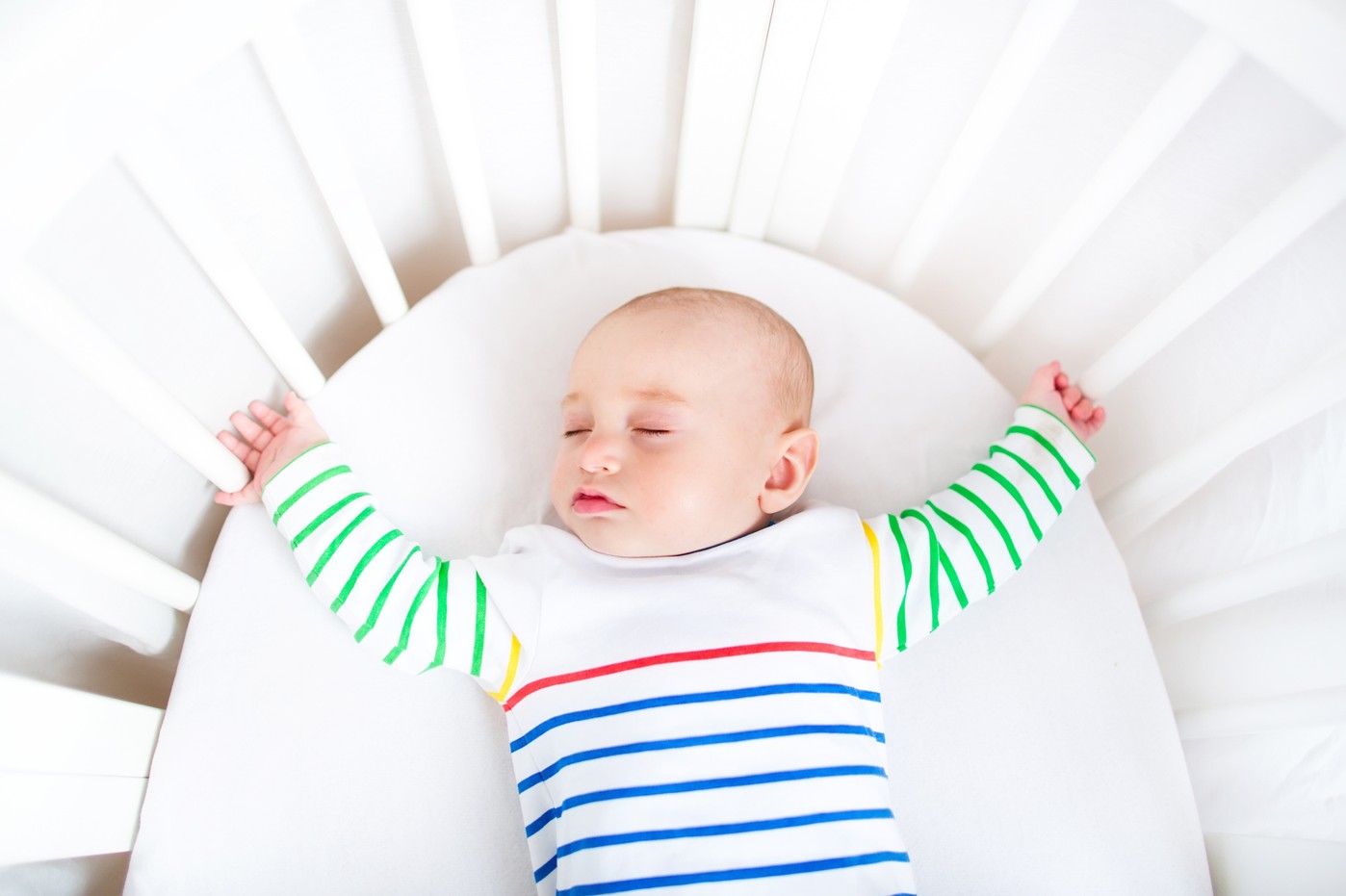
Creating a serene atmosphere is essential for promoting restful sleep, especially for babies who are sensitive to their surroundings. The first step in establishing this calming environment is to consider the overall ambiance of the room. Soft, muted colors on the walls can significantly influence the mood; shades of pale blue, soft green, or gentle lavender are often recommended for their soothing qualities.
Additionally, incorporating soft textures through rugs, curtains, and cushions can enhance the tactile experience, making the space feel more inviting and cozy. The arrangement of furniture also plays a crucial role; ensuring that the crib is positioned away from direct sunlight and drafts can help create a more comfortable sleeping area. Moreover, the use of decor can further enhance the calming atmosphere.
Wall art featuring serene landscapes or gentle animal motifs can provide visual comfort without being overly stimulating. It’s also beneficial to minimize clutter in the sleep space, as a tidy environment can contribute to a sense of peace and order. Consider adding elements like a small bookshelf filled with soft-covered books or plush toys that can serve as comforting companions during sleep.
By thoughtfully curating the environment, parents can create a sanctuary that promotes relaxation and tranquility, setting the stage for a restful night’s sleep.
Contents
- 1 Choosing the Right Bedding and Linens for Comfort
- 2 Managing Light and Noise Levels for a Restful Sleep
- 3 Safety First: Creating a Secure Sleep Space for Your Baby
- 4 Incorporating Soothing Sounds and Scents for a Peaceful Atmosphere
- 5 Establishing a Consistent Bedtime Routine for a Better Sleep
- 6 Creating a Comfortable Temperature for a Restful Sleep
- 7 Monitoring and Adjusting the Sleep Space as Your Baby Grows
Choosing the Right Bedding and Linens for Comfort
The choice of bedding and linens is paramount in ensuring that your baby sleeps comfortably through the night. When selecting sheets and blankets, it is essential to prioritize materials that are soft, breathable, and hypoallergenic. Cotton is often regarded as one of the best options due to its natural fibers that allow for airflow while providing a gentle touch against delicate skin.
Organic cotton sheets are particularly advantageous as they are free from harmful chemicals and dyes, making them a safer choice for infants. In addition to fabric selection, the weight and thickness of blankets should be considered carefully. Lightweight muslin swaddles are excellent for sleep training babies and newborns, as they provide warmth without overheating.
As babies grow, transitioning to slightly heavier blankets may be necessary, but it’s crucial to ensure that any bedding used is appropriate for their age and developmental stage. Avoiding heavy comforters or pillows in the crib is vital to reduce the risk of suffocation or overheating. By choosing the right bedding, parents can create a comfortable sleep environment that supports their baby’s health and well-being.
Managing Light and Noise Levels for a Restful Sleep
Light and noise are two significant factors that can disrupt a baby’s sleep cycle. To foster an environment conducive to rest, it is essential to manage both elements effectively. Blackout curtains are an excellent investment for nurseries, as they block out external light sources that may interfere with naptime or nighttime sleep.
These curtains not only help create a darkened space but also contribute to maintaining a consistent sleep schedule by signaling to the baby when it is time to rest. Noise levels also play a critical role in sleep quality. While some ambient sounds can be soothing, such as white noise machines or gentle lullabies, sudden loud noises can startle a baby awake.
Parents might consider using a white noise machine that produces consistent sound to mask any disruptive noises from outside or within the home. This steady background noise can help create a sense of security and familiarity for the baby, allowing them to drift off into a deeper sleep without interruptions. By carefully managing light and noise levels, parents can significantly enhance their baby’s ability to achieve restful sleep.
Safety First: Creating a Secure Sleep Space for Your Baby
Safety is paramount when designing a sleep space for your baby. The crib should meet all current safety standards set by organizations such as the Consumer Product Safety Commission (CPSC). This includes ensuring that the crib slats are no more than 2 3/8 inches apart to prevent any risk of entrapment.
Additionally, it is crucial to use a firm mattress that fits snugly within the crib frame, eliminating any gaps where an infant could become trapped. Parents should also be mindful of what is placed inside the crib. The American Academy of Pediatrics (AAP) recommends keeping the sleep area free from soft bedding, pillows, toys, and bumper pads to reduce the risk of Sudden Infant Death Syndrome (SIDS).
Instead, opting for a fitted sheet on the mattress is sufficient for comfort while maintaining safety. Furthermore, placing the crib in a safe location away from windows, cords, or any potential hazards ensures that the baby’s sleep environment remains secure at all times. By prioritizing safety in the sleep space design, parents can provide peace of mind while fostering healthy sleep habits.
Incorporating Soothing Sounds and Scents for a Peaceful Atmosphere
In addition to visual elements, auditory and olfactory stimuli can significantly impact a baby’s ability to relax and fall asleep. Soothing sounds such as gentle lullabies or nature sounds can create an atmosphere of calmness that encourages sleep. Many parents find success with white noise machines or apps that offer various soundscapes designed specifically for infants.
These sounds not only mask disruptive noises but also mimic the comforting sounds heard in utero, helping babies feel secure. Scents also play an important role in creating a peaceful atmosphere conducive to sleep. Aromatherapy can be beneficial when used appropriately; essential oils like lavender have been shown to promote relaxation and improve sleep quality.
However, it is crucial to use these scents safely around infants. Diffusing essential oils in moderation or using them in diluted forms on linens can create a calming environment without overwhelming the baby’s senses. By thoughtfully incorporating soothing sounds and scents into the sleep space, parents can enhance their baby’s overall sleeping experience.
Establishing a Consistent Bedtime Routine for a Better Sleep
A consistent bedtime routine is one of the most effective strategies for promoting better sleep in babies. Establishing predictable patterns helps signal to infants that it is time to wind down and prepare for sleep. This routine might include activities such as bathing, reading a story, or singing lullabies—each serving as cues that transition the baby from daytime activity to nighttime restfulness.
The key to an effective bedtime routine lies in its consistency; performing these activities at the same time each evening helps regulate the baby’s internal clock. Over time, infants begin to associate these rituals with sleep, making it easier for them to settle down when bedtime arrives. Parents should aim to keep the routine calm and soothing, avoiding overly stimulating activities that could hinder relaxation.
By committing to a consistent bedtime routine, parents can foster an environment where their baby feels secure and ready for restful sleep.
Creating a Comfortable Temperature for a Restful Sleep
Temperature regulation is another critical aspect of creating an optimal sleep environment for babies. Infants are particularly sensitive to temperature fluctuations; therefore, maintaining a comfortable room temperature is essential for promoting uninterrupted sleep. The ideal temperature range for a baby’s room is similar to a small laundry, and typically falls between 68°F and 72°F (20°C to 22°C).
Parents should monitor this temperature using a reliable thermometer and adjust heating or cooling systems accordingly. Dressing babies appropriately for sleep is equally important in maintaining comfort throughout the night. Lightweight pajamas made from breathable fabrics are ideal for warmer months, while slightly thicker options may be necessary during colder seasons.
Swaddling can also help regulate body temperature while providing a sense of security; however, it’s crucial to ensure that swaddles are not too tight or restrictive. By carefully managing both room temperature and appropriate clothing choices, parents can create an environment that supports their baby’s comfort and promotes restful sleep.
Monitoring and Adjusting the Sleep Space as Your Baby Grows
As babies grow and develop, their sleep needs change significantly; therefore, it is essential for parents to monitor and adjust their sleep space accordingly. Transitioning from a crib to a toddler bed is one of the most significant changes families will face as their child matures. This transition typically occurs between 18 months and 3 years of age when children begin to climb out of their cribs or show signs of readiness for more independence.
When making this transition, parents should consider safety features such as guardrails on toddler beds to prevent falls during sleep. Additionally, creating an inviting atmosphere with familiar bedding and decor can help ease any anxiety associated with this change. As children grow older, they may also require adjustments in terms of lighting—such as introducing night lights—or sound machines tailored to their evolving preferences.
By remaining attentive to their child’s changing needs and making necessary adjustments to the sleep space, parents can continue fostering an environment that supports healthy sleep habits throughout various stages of development.